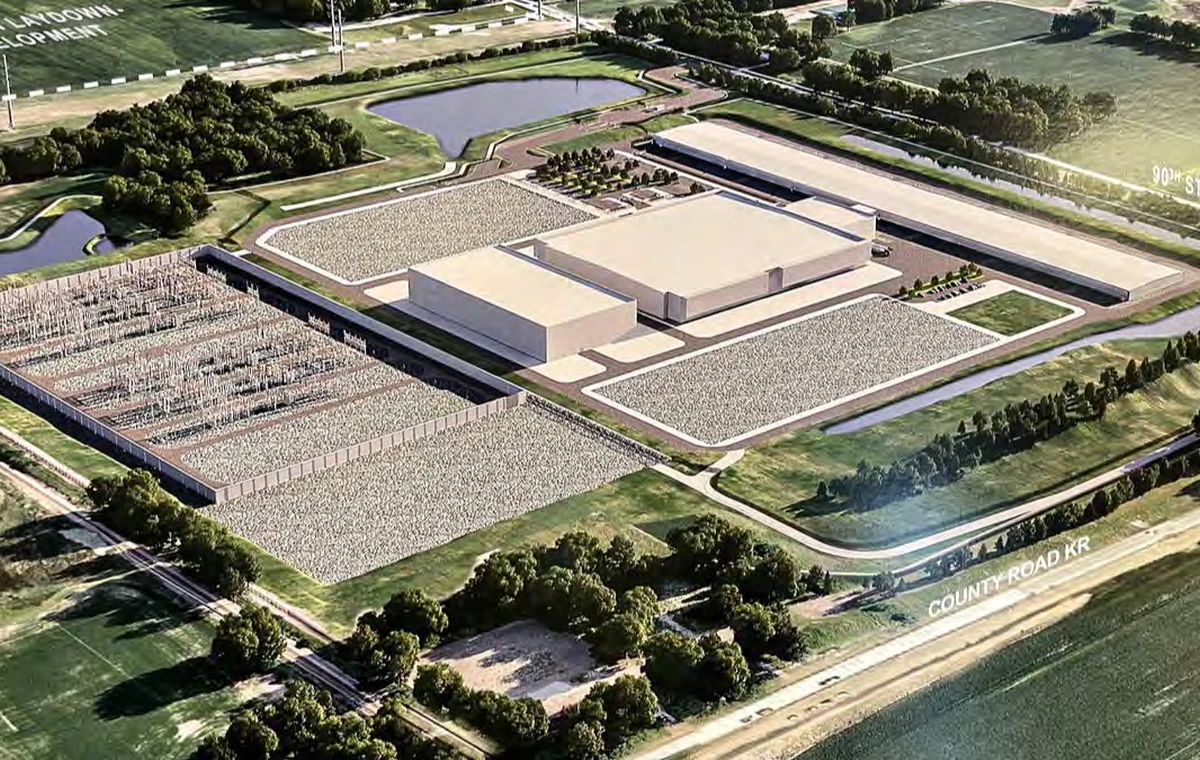
Changing the backup-power fuel across an operational data center fleet looks like an equipment question and behaves like a governance one. The technical scope per site is modest. The difficulty is that no two sites share the same regulator, fuel supply chain, generator configuration, or maintenance window.
Backup generation is one of the least visible parts of a data center, and one of the most important. It sits idle for almost all of its life, yet the availability of the entire facility depends on it working the moment it is needed. As operators pursue lower-carbon alternatives to conventional diesel, that equipment is becoming the focus of sustainability programs that must change something critical without ever compromising what it protects. On a single site, the change is manageable. Across a global fleet, it becomes something different: dozens of facilities, each with its own regulatory environment, fuel supply conditions, equipment history, and operational constraints, all moving toward a common goal at different speeds. At Decima, we see the success of programs like this depend less on the engineering at any one location and more on the structure that connects them, the shared data, sequencing, controls, and method that let each site benefit from the last. This article sets out four principles for delivering a fleet-wide fuel transition: establishing a consistent baseline through a structured audit, treating compliance as the pacing item, protecting availability during retrofit work, and building a playbook that makes the program faster and more reliable with every site completed.
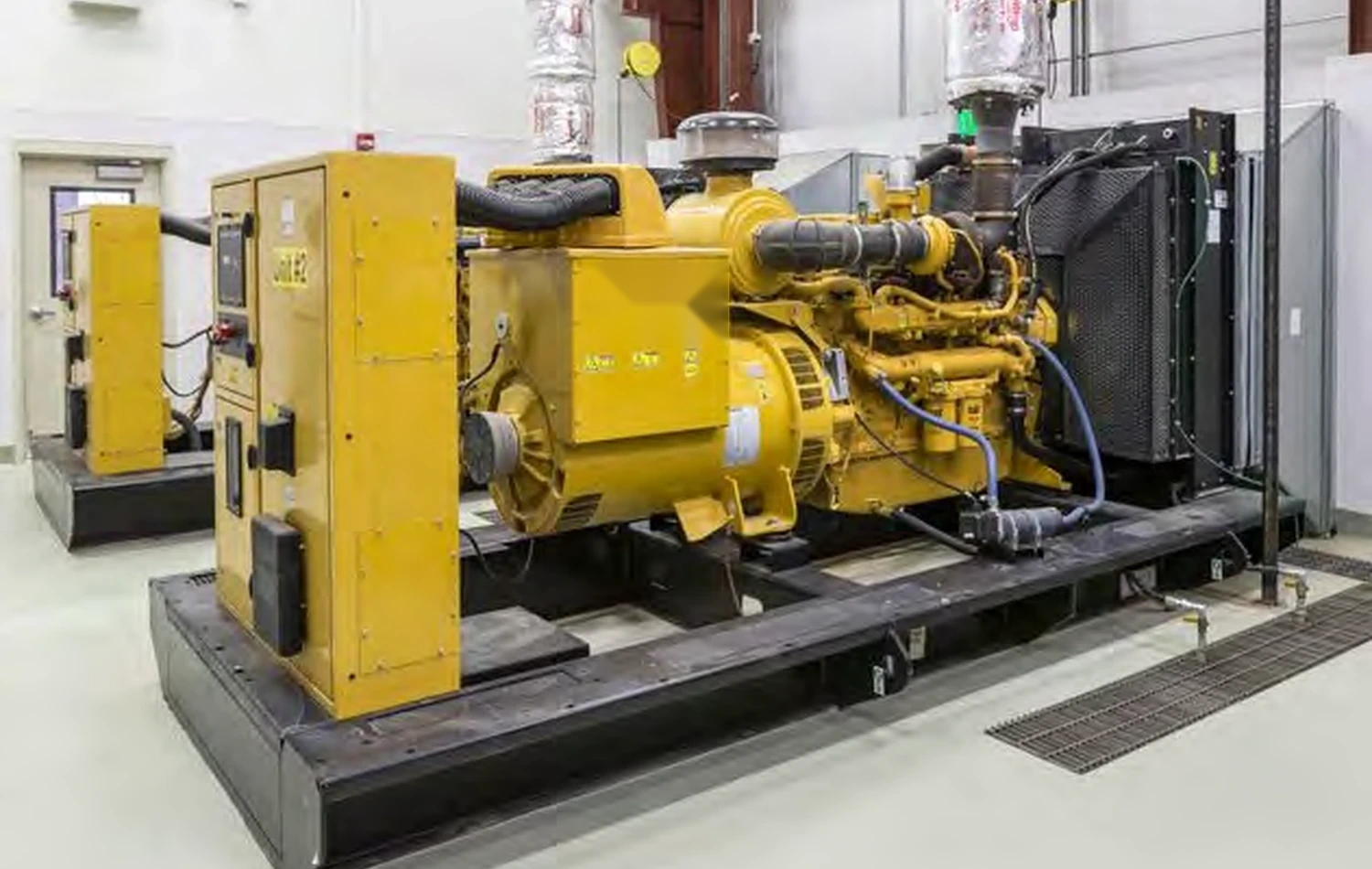
Start with a structured audit, not a pilot
Before anything is retrofitted, the fleet needs a consistent picture of itself: generator makes and models, fuel systems, tank configurations, emissions permits, service contracts, and local fuel availability. Collected in different formats by different teams, that data cannot be compared — and a program that cannot compare its sites cannot prioritize them.
A single audit template, applied the same way everywhere, is what converts a fleet into a program.
Compliance is the pacing item, not the engineering
Fuel changes touch emissions permits, storage regulations, fire codes, warranty conditions, and in many jurisdictions the approval of the local authority having jurisdiction. Approval timelines vary widely between markets and rarely follow the construction schedule.
Mapping the regulatory path per site early — and starting the long approvals first — usually saves more program time than any efficiency gained on site.
Retrofit work happens around live operations
Backup generation exists to protect availability, so the work of changing it cannot put availability at risk. That means agreed maintenance windows, temporary resilience arrangements, tested rollback plans, and an operations team that has signed off on the method before anyone arrives on site.
The commercial pressure to compress these windows is constant. Resisting it is part of the job.
Build a repeatable global playbook
The value of a fleet program comes from doing the same thing well many times. That requires a documented method: standard audit, standard design approach with defined local variations, standard commissioning and acceptance criteria, and standard reporting back to the program.
Each completed site should make the next one faster. If it does not, the program is running as a series of individual projects that happen to share a budget.
Key takeaways
- Audit the whole fleet on one template before designing anything.
- Map regulatory approval per site early — compliance sets the pace.
- Protect availability with agreed windows, temporary resilience, and tested rollback.
- Document a playbook so each site makes the next one faster.
Fleet-wide sustainability change succeeds on structure rather than on individual site heroics. Governance, controls, and a documented method are what let a program of this shape land across continents without losing consistency.